Best Hair Oils for Dry and Damaged Hair: 2024 Guide
As an Amazon Associate I earn from qualifying purchases.
best hair oils for dry and damaged hair start with a simple truth: moisture is the missing link between brittle strands and a silky mane.
Why Choose the Best Hair Oils for Dry and Damaged Hair?
If your hair feels straw‑like, snaps easily, or looks dull even after conditioning, the culprit is often a lack of lipid‑rich nourishment. Unlike water‑based moisturizers, hair oils penetrate the cuticle, sealing in hydration and rebuilding the protective barrier that keeps moisture from escaping. The right oil can also reduce frizz, add shine, and protect against heat styling damage.

Top Ingredients to Seek in the Best Hair Oils for Dry and Damaged Hair
Not all oils are created equal. Here are the power players that consistently deliver results:
- Argan Oil – Rich in vitamin E and omega‑9 fatty acids, it smooths the cuticle and tames split ends.
- Jojoba Oil – Its molecular structure mirrors natural sebum, making it an excellent lightweight sealant.
- Coconut Oil – Penetrates deep into the shaft, repairing protein loss and reducing breakage.
- Marula Oil – Packed with antioxidants, it shields hair from environmental stressors.
- Olive Oil – Provides a dose of oleic acid that reinforces hair’s elasticity.
How to Pick the Right Oil for Your Hair Type
Fine hair benefits from lighter options like jojoba or argan, while thick, coarse strands can handle the heavier texture of coconut or olive oil. If you have a sensitive scalp, opt for fragrance‑free, cold‑pressed varieties to minimize irritation.
How to Apply Hair Oil for Maximum Benefits
Application technique matters as much as the oil itself. Follow these steps:
- Start with damp hair. Lightly towel‑dry to remove excess water; the oil will lock in remaining moisture.
- Warm a few drops. Rub the oil between your palms to distribute heat evenly.
- Section and smooth. Work the oil from mid‑length to ends, avoiding the roots if you’re prone to greasiness.
- Comb through. Use a wide‑tooth comb to spread the product and detangle gently.
- Seal the deal. For extra protection, wrap hair in a soft microfiber towel or a silk scarf for 20‑30 minutes before styling.
Budget‑Friendly DIY Hair Oil Blends
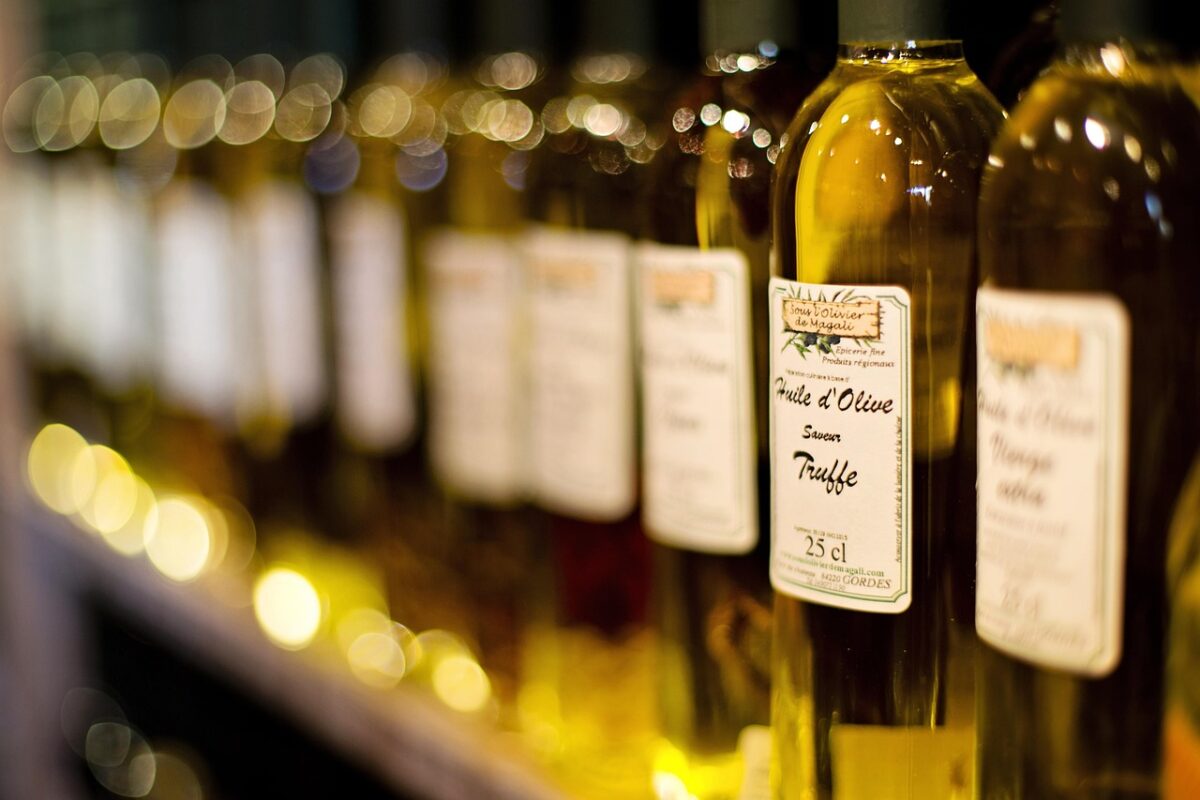
You don’t need a pricey bottle to reap the benefits. Mixing a few pantry staples creates a custom blend that rivals boutique formulas.
DIY Repair Elixir:
- 2 tablespoons coconut oil
- 1 tablespoon jojoba oil
- 5 drops rosemary essential oil (optional for scalp stimulation)
Warm the mixture, let it cool, and store in a glass jar. Use twice a week as a pre‑wash treatment.
For a lighter option, swap coconut for argan oil and add a teaspoon of vitamin E oil. This version works well as a finishing serum to add shine without weighing hair down.
Product Types to Consider on Amazon
When you’re ready to purchase, look for these product types:
Affordable Alternatives: Beauty Dupes Under $20
If price is a concern, you’ll find many cost‑effective options that perform like high‑end brands. Check out our Best Beauty Dupes Under $20 That Actually Work guide for a curated list of budget‑friendly oils that still deliver the nourishment you need.
Integrating Hair Oil into Your Routine
Consistency beats occasional over‑application. Incorporate oil into your weekly regimen as follows:
- Monday & Thursday: Pre‑wash oil mask (15‑30 minutes).
- Tuesday: Light leave‑in serum on damp hair before blow‑dry.
- Friday: Overnight treatment on dry hair (use a satin pillowcase).
Adjust frequency based on how your hair responds; the goal is to keep strands hydrated without buildup.
FAQ
Can I use hair oil on a daily basis?
Yes, as long as you choose a lightweight oil and apply only to the ends. Over‑application can lead to greasiness.
Will hair oil help with hair loss?
While oil won’t reverse genetic loss, it can improve scalp health and reduce breakage, making hair appear fuller.
Is it okay to use oil with heat styling tools?
Applying a thin layer of oil before using a diffuser or straightener can protect hair from heat damage, but avoid thick coats that trap heat.
Conclusion: Your Next Step
Finding the best hair oils for dry and damaged hair is less about hype and more about matching the right fatty acids to your hair’s needs. Pick an oil that suits your texture, follow a consistent application routine, and experiment with DIY blends if you love a hands‑on approach. Start with a small bottle, test how your hair reacts, and gradually build a simple, effective hair‑care line that keeps your locks hydrated, resilient, and radiant.